Residential vs. Commercial Glass Services: What’s the Difference?
Glass plays a critical role in both residential and commercial spaces, offering more than just aesthetic appeal. From providing natural light and insulation to ensuring safety and enhancing the overall design, quality glass installations are central to modern architecture. However, while homeowners and business owners alike rely on glass solutions, the scope, techniques, and requirements differ significantly between residential and commercial projects. Understanding these distinctions is crucial for anyone looking to invest in glass services, whether it’s for a single-family home, a high-rise office, or a retail storefront. Choosing the right type of service not only ensures proper installation but also maximizes the longevity, efficiency, and safety of the glass structures.
Residential and commercial glass services differ in complexity, materials, compliance standards, and maintenance needs. For instance, a homeowner replacing a window may prioritize energy efficiency and visual appeal, whereas a commercial property manager may focus on durability, regulatory compliance, and high-traffic considerations. This blog explores these differences in detail, offering actionable insights, examples, and professional guidance. By the end, readers will have a clear understanding of how residential and commercial glass services are tailored to meet unique demands and why selecting the right service provider is essential for optimal outcomes.
Understanding Residential Glass Services
Scope and Applications
Residential glass services cater specifically to homes and smaller living spaces. Typical applications include windows, doors, skylights, shower enclosures, mirrors, glass tabletops, and decorative features. These installations aim to enhance comfort, aesthetics, and energy efficiency. For example, double-pane or low-emissivity windows can significantly reduce energy bills while providing clear visibility and natural light.
Materials and Design Considerations
Residential projects often involve tempered or laminated glass, which provides safety without compromising appearance. Homeowners may also opt for custom designs or decorative elements, such as etched patterns or frosted finishes, to complement interior decor. Additionally, residential glass installations tend to focus on thermal insulation, UV protection, and noise reduction, making them ideal for living environments where comfort and style are priorities.
Installation and Maintenance
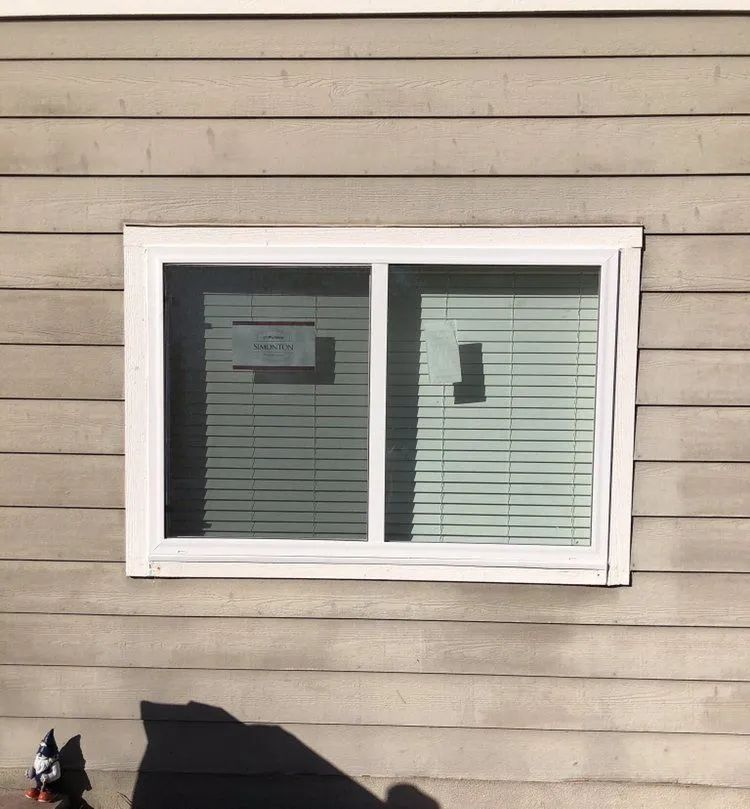
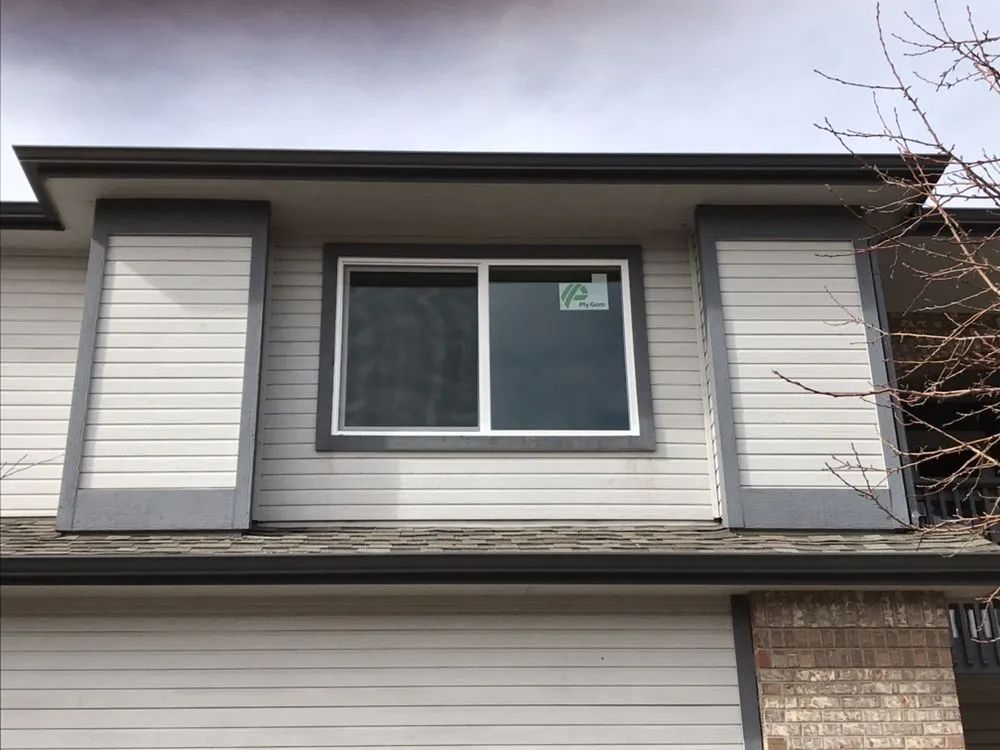
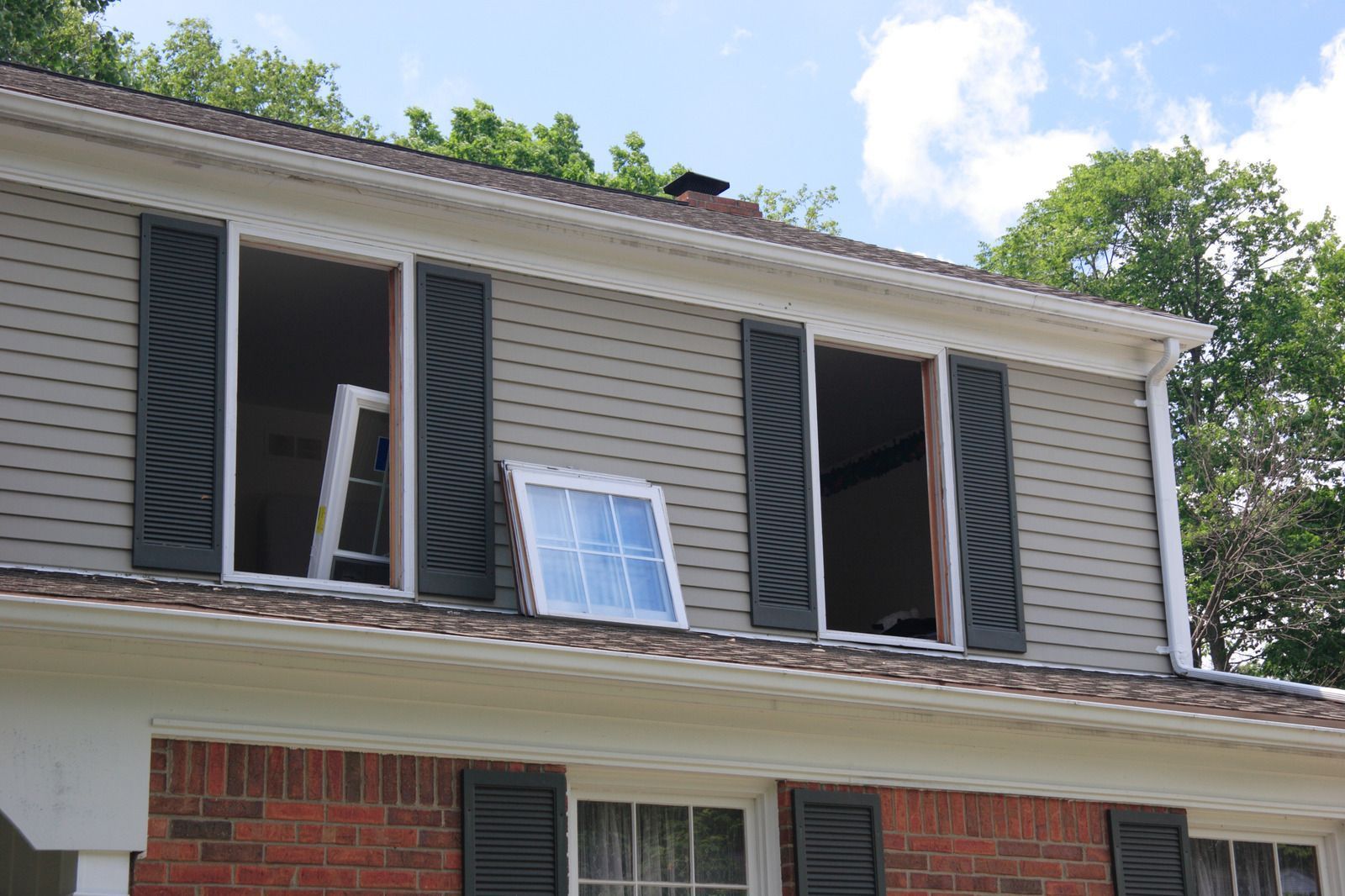
Residential glass services usually involve smaller-scale installations and are less complex than commercial projects. A licensed technician will measure, cut, and fit glass with precision, ensuring a secure and aesthetically pleasing finish. Maintenance for residential glass is generally straightforward, including regular cleaning, inspecting seals, and replacing damaged panes. Many homeowners choose service providers who offer both installation and repair, ensuring long-term reliability and safety.
Benefits and Challenges
Benefits:
- Enhanced energy efficiency
- Increased natural light and aesthetic appeal
- Improved safety through tempered or laminated glass
Challenges:
- Risk of improper installation affecting insulation
- Limited durability against extreme conditions compared to commercial-grade glass
- Need for regular maintenance to prevent damage
Understanding these aspects helps homeowners make informed decisions and choose glass solutions that align with both functionality and design goals.
Exploring Commercial Glass Services
Scope and Applications
Commercial glass services are designed for offices, retail spaces, hotels, hospitals, and other high-traffic buildings. Applications include storefronts, curtain walls, office partitions, elevator doors, security glazing, and large-scale windows. These projects prioritize durability, compliance with building codes, and functionality for heavy usage. For instance, tempered or laminated glass used in commercial settings must often meet fire safety standards, impact resistance requirements, and accessibility guidelines.
Materials and Structural Considerations
Commercial glass projects frequently involve thicker or multi-layered glass for structural integrity and security. Safety and energy efficiency remain important, but commercial installations often emphasize high-strength materials capable of withstanding external pressures, wind loads, and frequent usage. Innovations like low-E coatings, solar control films, and smart glass are common in commercial spaces to enhance energy efficiency, reduce glare, and improve occupant comfort.
Installation and Regulatory Compliance
Installing commercial glass is more complex than residential work, requiring specialized equipment, scaffolding, and skilled labor. Technicians must follow strict building codes and safety regulations to ensure structural stability and meet legal requirements. Additionally, commercial projects often demand precise project management, including coordination with architects, engineers, and contractors to align with design specifications, timelines, and safety standards.
Benefits and Challenges
Benefits:
- High durability and structural strength
- Compliance with safety, fire, and accessibility regulations
- Enhanced energy efficiency in large-scale installations
Challenges:
- Higher costs due to materials and labor
- Complex installation requiring professional expertise
- Ongoing maintenance for large-scale or high-traffic areas
Businesses investing in commercial glass solutions gain long-term benefits, including reduced energy costs, increased property value, and improved safety and aesthetics, making professional services an essential choice.
Key Differences Between Residential and Commercial Glass Services
Scale and Complexity
One of the most noticeable differences is the scale of projects. Residential glass projects usually involve individual windows, doors, or smaller custom features, while commercial projects often cover entire building facades or multi-story curtain walls. The complexity of commercial installations requires advanced equipment, larger teams, and meticulous planning.
Safety and Regulatory Standards
Safety requirements differ considerably. Residential glass must meet basic safety standards for homes, often focusing on tempered or laminated options to prevent injuries. Commercial glass, however, must comply with stringent building codes, fire safety regulations, and accessibility standards. For example, commercial storefronts may require impact-resistant glass to withstand accidents or break-ins.
Material and Design Choices
While both residential and commercial projects use tempered, laminated, or low-E glass, commercial spaces often require reinforced or multi-layered panels. Residential designs prioritize aesthetics and customization, whereas commercial designs balance appearance with functionality, durability, and compliance with energy codes.
Installation Techniques
Residential glass installation is typically less complex, using standard tools and single-team setups. Commercial installations demand cranes, scaffolding, hoists, and highly trained crews to manage larger panes, heavy materials, and high elevations. Precision in measurements, alignment, and sealing is critical for commercial projects due to structural and safety implications.
Maintenance and Longevity
Residential glass maintenance is straightforward, often limited to cleaning and occasional seal inspections. Commercial glass requires ongoing maintenance plans, including inspections for damage, energy efficiency checks, and specialized cleaning methods for high-rise or hard-to-access areas. These practices ensure longevity, performance, and compliance with safety standards.
Choosing the Right Glass Service Provider
Expertise and Experience
Selecting the right glass service provider is critical for both residential and commercial projects. Homeowners should look for companies with a track record of reliable installations, customized solutions, and repair capabilities. Businesses require providers experienced in large-scale projects, regulatory compliance, and project management. Checking credentials, licenses, and insurance coverage ensures professionalism and accountability.
Customized Solutions
Residential projects often benefit from providers who offer tailored designs, decorative glass options, and energy-efficient solutions. Commercial clients may require customized security glazing, curtain walls, or smart glass installations. Providers who understand client-specific needs can recommend the right materials, designs, and installation techniques to optimize performance and aesthetics.
Cost Considerations
Costs vary widely between residential and commercial projects. Residential services are generally more affordable due to smaller scale, simpler installation, and standard materials. Commercial projects require larger investments, including high-strength materials, labor-intensive installations, and compliance with safety codes. Transparent cost breakdowns help clients understand what they are paying for and avoid hidden expenses.
Maintenance and Aftercare
A professional glass service provider should offer aftercare services, including routine inspections, repair, and replacement. For residential clients, this may include minor glass repairs, seal replacements, or cleaning services. Commercial clients benefit from comprehensive maintenance programs to manage large-scale glass installations, ensuring durability and consistent performance over time.
Real-World Examples
Residential Example: A homeowner in Denver replaced all single-pane windows with energy-efficient double-pane glass, reducing heating costs by 15% and enhancing indoor comfort.
Commercial Example: A Denver office building installed laminated curtain walls with solar control coatings. This upgrade improved energy efficiency, reduced glare for employees, and met local building codes for safety and accessibility.
Best Practices for Clients
- Assess Needs Accurately: Determine whether the project is residential or commercial to select appropriate materials and techniques.
- Choose Licensed Professionals: Always work with licensed, insured, and experienced providers.
- Consider Long-Term Value: Evaluate energy efficiency, durability, and maintenance requirements.
- Request Detailed Estimates: Clear breakdowns of costs, timelines, and project scope prevent surprises.
Following these practices ensures a smooth project and results that meet expectations for both residential and commercial clients.
Maximizing Value Through Proper Glass Installation Choices
Residential and commercial glass services serve distinct needs but share the common goal of improving functionality, safety, and aesthetics. Residential projects prioritize comfort, design, and energy efficiency for individual homes, while commercial services focus on durability, compliance, and high-traffic performance. Understanding these differences helps property owners make informed decisions about materials, installation techniques, and maintenance requirements. Choosing the right provider ensures both longevity and value, whether it’s a small-scale residential upgrade or a large commercial installation.
For reliable,
expert glass solutions in Denver, Colorado, All About Glass of Colorado stands out with 20 years of experience. Specializing in both residential and commercial services, the company delivers high-quality installations, repairs, and customized glass solutions. Their team combines technical expertise, industry knowledge, and a commitment to customer satisfaction, ensuring every project is executed with precision. Whether upgrading home windows or implementing large-scale commercial curtain walls, All About Glass of Colorado provides trustworthy, professional service tailored to meet the unique demands of each client, making them a preferred partner for glass solutions across the region.